Will the 8 April 2024 total solar eclipse make DX waves in Europe?
There will be a total solar eclipse on April 8, 2024, starting in the eastern Pacific Ocean just before 1600UT, but for most, its visibility will be limited to Mexico, plus the eastern USA and Canada, ending in the North Atlantic Ocean at about 2045UT, when the sun will already have set in Europe.
DXers in North America, particularly those on the medium wave band, will be looking for evidence of swiftly passing nighttime conditions as the moon’s shadow goes by, briefly thinning out the ionosphere’s D-region, which normally absorbs most medium wave signals during the daytime. A good overview of the eclipse’s possible effect on North American DX is at https://radio-timetraveller.blogspot.com/
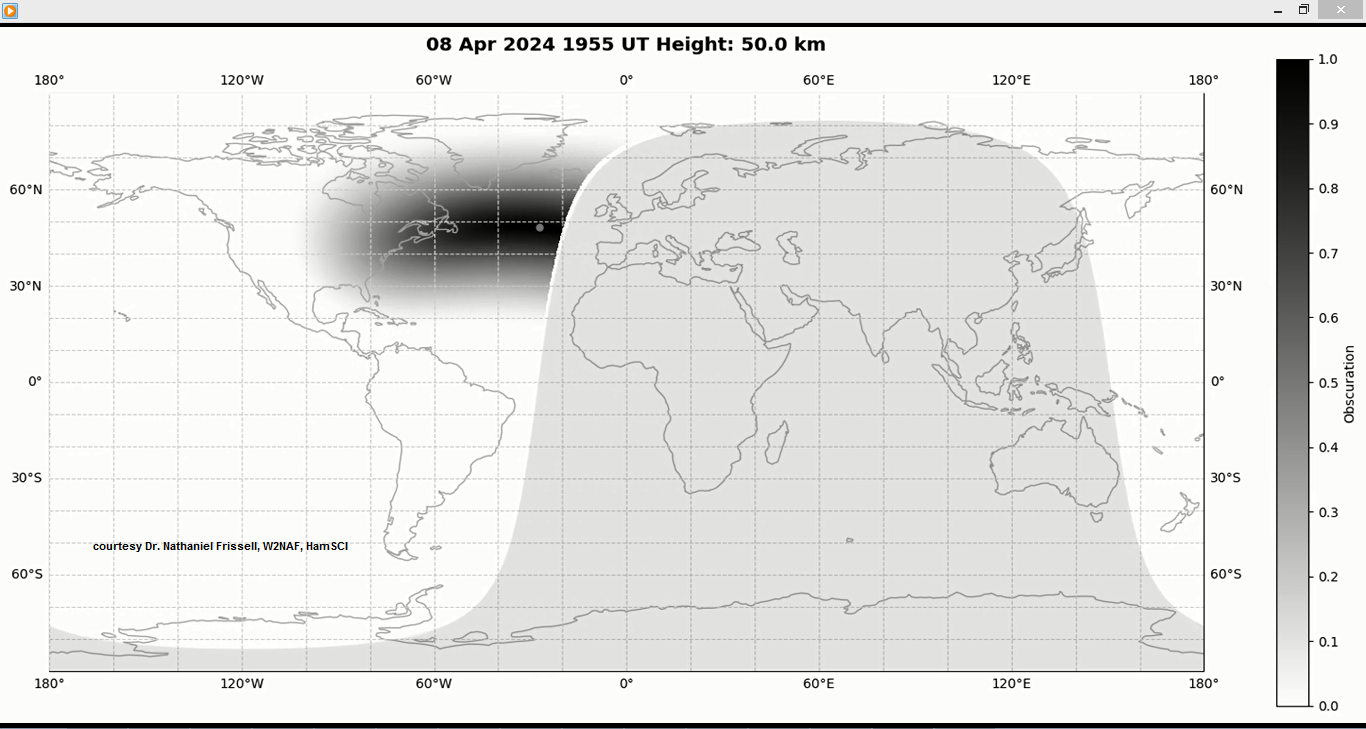
But, just because the 8 April eclipse will not be visible in Europe and North Africa, does that mean that there will be no DX to be heard in those regions during the eclipse? Dr. Nathaniel Frissell, W2NAF, of HamSCI (https://hamsci.org/ ), has created some graphics of the moon’s shadow’s effect at various heights above the Earth’s surface, including some at 50 km and 100km height, just below and above the D-region.
Normally, the North Atlantic, and North America would still be in daylight at 1930UT on April 8th, thereby blocking any reception of North American medium wave signals in Europe, even though it will be after sunset there. However, Figure 2 illustrates the effect of the eclipse at 1930UT on April 8, 2024, at 50km height when all of Europe and Africa will be in darkness. Due to the eclipse, part of the North Atlantic, as well as eastern America, will also be in darkness at that time, and Figure 3 shows that much of the North Atlantic will still in darkness at 1955UT.
If the D-region thins enough as the moon’s shadow moves into the sunset terminator west of Europe, will a brief early reception of eastern American and Canadian DX occur? Between 1900 and 2045UT on 8 April may well be an interesting time for DXers in Europe.
(A movie showing the advancing eclipse shadow at 100km height (low end of the E-region) is at http://7dxr.com/4all/100km8Apr-movie-Frissell-HamSCI.mp4, and is quite similar to the shadowing at the D-region height)
Note:
Your DX could be of interest to ionospheric physicists also. The rapidly changing listening conditions will be indicating a similarly turbulent ionosphere, and DXers’ documenting those listening conditions through SDR recordings could provide information that will be useful to scientists who want to gain a better understanding of the Earth’s ionospheric dynamics.
HamSCI is an organization of volunteer citizen-scientists and professional researchers who study upper atmospheric and space physics, and will be interested in examining MW DXers’ wideband SDR recordings made during the eclipse period, and indeed, in having DXers assist with HamSCI’s research. (see https://hamsci.org/eclipse . Especially if you are also an amateur radio operator, there are several other ways that you might also contribute to the project.)
HamSCI already has monitors in Portugal and in Tunisia who will be recording the MW band from an hour or two before their local sunset until local sunset arrives in North America, in order to assist researchers in their understanding of how the eclipse will affect the ionosphere as the moon’s shadow passes by, and then runs into the sunset terminator.
If others from the UK and Europe would like to assist, please sign up at https://hamsci.org/mw-recordings/ in order to make sure that those DX files will also qualify as scientific data that can become part of the public record.
Figure 2: http://7dxr.com/eclipse2024/50km-1930UTcredit.png
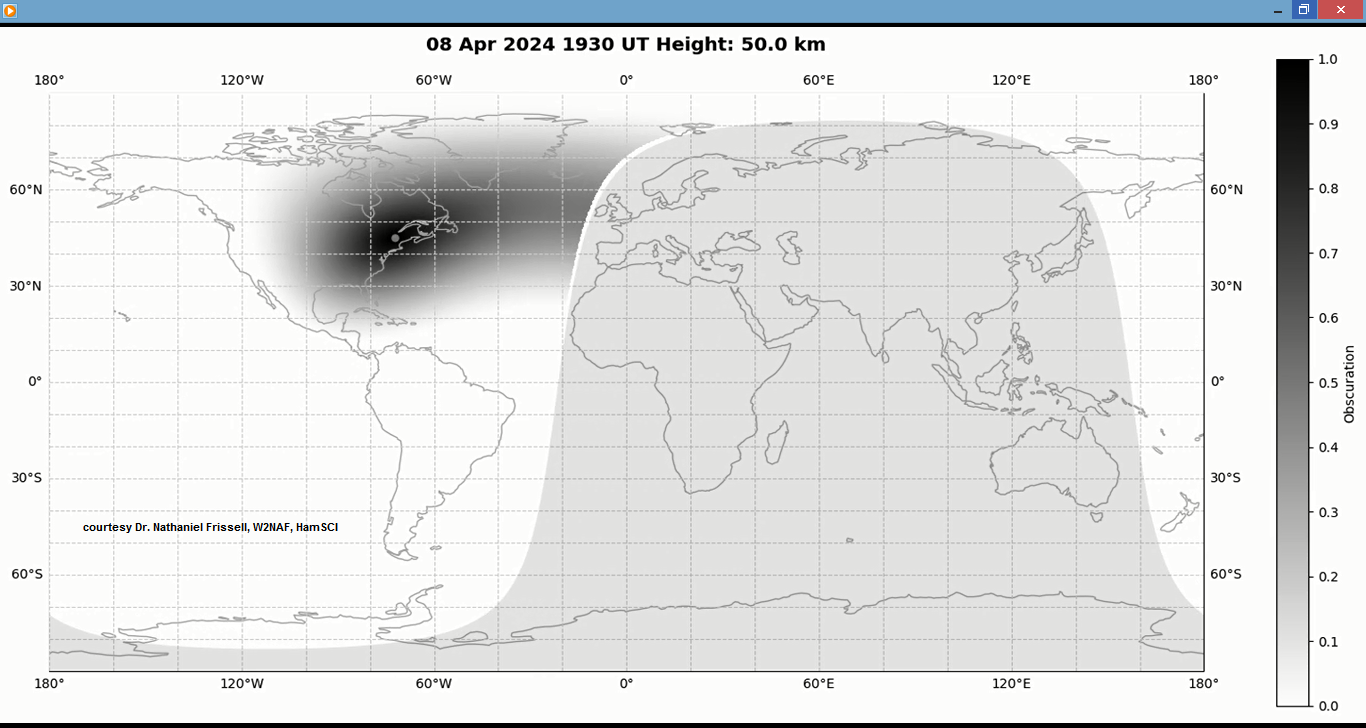
Figure 3: http://7dxr.com/eclipse2024/50km-1955UT-credit.png
Nick Hall-Patch, Victoria BC Canada (2024-04-04)